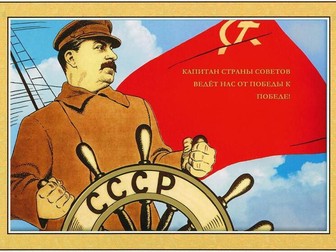
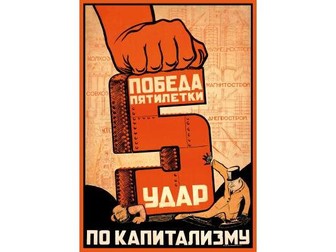
This is a complete, ready-to-teach lesson on Collectivisation for the Cambridge iGCSE History Depth Study C: Russia, 1905–41 (CIE).
Includes:
PowerPoint presentation
Worksheets
Accompanying information sheet(s)
Exam-style question
No textbook required
This is a complete, ready-to-teach lesson on Life in Stalin’s USSR for the Cambridge iGCSE History Depth Study C: Russia, 1905–41 (CIE).
Includes:
PowerPoint presentation
Worksheets
Accompanying information sheet(s)
Exam-style question
No textbook required
This is a complete lesson on Stalin’s methods of control for the Cambridge iGCSE History Depth Study C: Russia, 1905–41 (CIE).
Includes:
PowerPoint presentation
Worksheets
Accompanying information sheet(s)
No textbook required
Complete Russia 1905-41, Camridge iGCSE history bundle.
This bundle includes 19 ready-to-teach lessons covering the key events, themes, and developments of Russia between 1905 and 1941, designed specifically for the Cambridge iGCSE History Depth Study C: Russia, 1905–41 (CIE).
Lessons included:
Tsarist Russia
1905 Russian Revolution
Troubled Years 1905–14
Rasputin
Impact of WW1 on Russia
February Revolution
Provisional Government
Fall of the Provisional Government
October Revolution
Russian Civil War
New Economic Policy (NEP)
Rise of Stalin
Purges
Stalin’s Methods of Control
Stalin’s Modernisation of the USSR
Stalin’s Five Year Plans
Collectivisation
Life in Stalin’s USSR
Stalin by 1941
Each lesson contains a PowerPoint presentation, worksheets, information sheets, and exam-style questions. No textbook required.
This is a complete, ready-to-teach lesson on Stalin’s position by 1941 for the Cambridge iGCSE History Depth Study C: Russia, 1905–41 (CIE).
Includes:
PowerPoint presentation
Worksheets
Accompanying information sheet(s)
Exam-style question
No textbook required
This is a complete lesson on Stalin’s modernisation of the USSR for the Cambridge iGCSE History Depth Study C: Russia, 1905–41 (CIE).
Includes:
PowerPoint presentation
Worksheets
Accompanying information sheet(s)
Exam-style question
No textbook required
This is a complete, ready-to-teach lesson on Stalin’s Five Year Plans for the Cambridge iGCSE History Depth Study C: Russia, 1905–41 (CIE).
Includes:
PowerPoint presentation
Worksheets
Accompanying information sheet(s)
Exam-style question
No textbook required
This is a complete, ready-to-teach lesson on life on the homefront during World War One.
Designed for KS3, this lesson explores the social, economic, and emotional impacts of the war on civilians, including rationing, women’s roles, and public morale. It encourages students to understand the wider effects of the conflict beyond the battlefield.
Includes:
PowerPoint presentation – clear, visually engaging slides that guide the full lesson
True or false task – interactive activity to challenge students’ preconceptions and reinforce learning
Quiz task with accompanying information sheet – supports knowledge retention and provides key facts
Starter and plenary activities – to engage students and check understanding
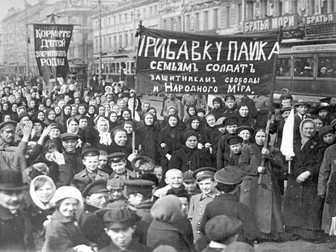
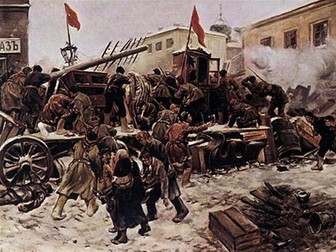
This is a complete lesson on the February Revolution for the Cambridge iGCSE History Depth Study C: Russia, 1905–41.
Includes:
PowerPoint presentation
Worksheets
Accompanying information sheet(s)
Exam-style question
No textbook required
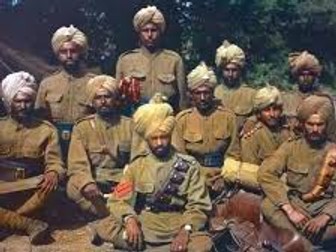
This is a complete, ready-to-teach lesson on the contribution of Commonwealth countries during World War One.
Designed for KS3, this lesson highlights the important roles played by soldiers and workers from across the British Empire, helping students appreciate the global scale of the war effort and the diversity of those involved.
Includes:
PowerPoint presentation – clear, visually engaging slides that guide the full lesson
Map task – helps students locate and understand the involvement of different Commonwealth nations
Source analysis tasks – develop students’ skills in interpreting historical evidence related to Commonwealth contributions
Plenary activity – to check understanding and encourage reflection
This is a complete, ready-to-teach lesson on life on the British Home Front during World War Two.
Designed for KS3, this lesson explores how the British public responded to wartime conditions, including evacuation, rationing, propaganda, and the Blitz.
Includes:
PowerPoint presentation – clear, visually engaging slides that guide the full lesson
Differentiated student tasks – with extension/challenge options included
Information and source sheets – concise and accessible, ideal for independent or group work
Starter activity and plenary – to check understanding and encourage reflection
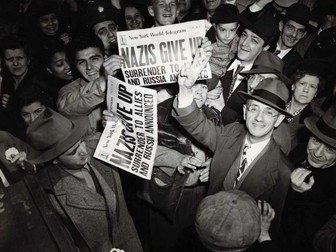
This is a complete, ready-to-teach lesson on the end of World War Two in 1945.
Designed for KS3, this lesson explores the key events leading to the end of the war.
Includes:
PowerPoint presentation – clear, visually engaging slides that guide the full lesson
Differentiated student tasks – with extension/challenge options included
Group discussion task – encourages collaboration and critical thinking
Worksheet-based activity – structured to reinforce understanding and consolidate key knowledge
Information sheets – concise and accessible, suitable for a range of abilities
Starter activity and plenary – to check understanding and prompt reflection
This is a complete lesson on the 1905 Russian Revolution with content on the Russo-Japanese War for the Cambridge iGCSE History Depth Study C: Russia, 1905–41.
Includes:
PowerPoint presentation
Structured student worksheets
Accompanying information sheets
Exam-style question with guidance
No textbook required
This is a complete, ready-to-teach lesson on the October Revolution for the Cambridge iGCSE History Depth Study C: Russia, 1905–41.
Includes:
PowerPoint presentation
Worksheets
Accompanying information sheet(s)
No textbook required
This is a complete lesson on the New Economic Policy (NEP) for the Cambridge iGCSE History Depth Study C: Russia, 1905–41.
Includes:
PowerPoint presentation
Worksheets
Accompanying information sheet(s)
No textbook required
This is a complete lesson on the Purges for the Cambridge iGCSE History Depth Study C: Russia, 1905–41.
Includes:
PowerPoint presentation
Worksheets
Accompanying information sheet(s)
No textbook required
This is a complete, ready-to-teach lesson on the weapons used during World War One.
Designed for KS3, this lesson introduces students to the major weapons of the conflict, exploring their features, impact, and how they changed warfare. Through interactive activities, students develop understanding of technological advances and their consequences on the battlefield.
Includes:
PowerPoint presentation – clear, visually engaging slides that guide the full lesson
Worksheet with accompanying information sheet – provides detailed facts and supports independent learning
Scenario task for pairs – encourages collaboration and application of knowledge in realistic situations
Starter and plenary activities – to engage students and consolidate learning
This is a complete, ready-to-teach lesson on the changes experienced by women during World War Two.
Designed for KS3, this lesson examines how the war transformed women’s roles in work, the military, and society, encouraging students to explore the impact and legacy of these changes.
Includes:
PowerPoint presentation – clear, visually engaging slides that guide the full lesson
Differentiated student tasks – with extension/challenge options included
Group task – promotes collaboration and discussion on women’s wartime experiences
Worksheet-based activity – supports knowledge consolidation and critical thinking
Information sheets – concise and accessible, ideal for independent or group work
Starter activity and plenary – to check understanding and encourage reflection
Complete KS3 World War Two lesson bundle: 10 ready to teach Lessons
This bundle includes 10 full lessons covering key topics from the outbreak to the end of World War Two, designed specifically for KS3 students. Each lesson features a PowerPoint presentation and a range of complementary resources such as worksheets, information sheets, discussion tasks, and more. Everything you need for engaging, effective teaching.
Lessons included:
Why World War Two Started
How Nations Responded to the Outbreak of War
The Battle of Britain
Life on the British Homefront
Children on the Homefront
Hitler’s Strategic Mistakes in 1941
The D-Day
The End of World War Two
Soldiers of the Commonwealth
Changes for Women During the War
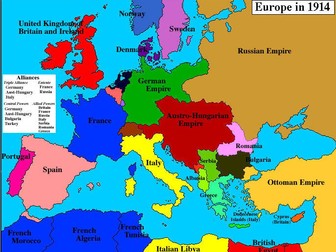
This is a complete, ready-to-teach lesson on the causes of World War One, with a focus on the major nations involved before the outbreak of war in 1914.
Designed for KS3, this lesson introduces students to the key political and military tensions between six major powers, setting the stage for understanding how Europe moved towards war.
Includes:
PowerPoint presentation – clear, visually engaging slides that guide the full lesson
Starter activity and plenary – to check understanding and encourage reflection
Map task – helps students visualise alliances and rivalries across Europe
Worksheet-based activity – structured task to reinforce understanding of each nation’s position
Information sheet – concise and accessible to support the main activity
This is a complete, ready-to-teach lesson on the causes of World War One, focusing on four key factors: imperialism, nationalism, militarism, and alliances.
Designed for KS3, this lesson helps students understand the underlying tensions in early 20th-century Europe and how these long-term causes contributed to the outbreak of war in 1914.
Includes:
PowerPoint presentation – clear, visually engaging slides that guide the full lesson
Starter activity and plenary – to check understanding and encourage reflection
Category sort task – encourages students to engage with key ideas and make connections
Worksheet-based written task – helps consolidate understanding through structured written responses


 Quick View