Writing Sentences Worksheets | Handwriting & Sentence Structure with VisualsQuick View
ThatLittleRobot

Writing Sentences Worksheets | Handwriting & Sentence Structure with Visuals

(0)
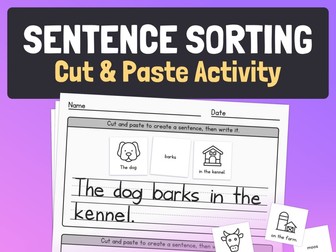
This no prep Writing Sentences Activity uses visual aids to help struggling students build confidence in sentence structure before they’re ready to write complete sentences on their own. Each page contains two sentences to build by cutting-and-pasting the “who, what, and where” — making this writing center the perfect hands-on way to gain fluency in nouns, verbs, fine motor skills, and handwriting. This literacy printable includes 11 pages: • (10x) Sentence-building worksheets, each with 2 sentences to create • (1x) Instructions Designed for flexibility — use it for: • Classwork, early finisher activities, and morning writing work • No prep literacy centers and kindergarten writing units • Teaching simple sentences in preparation for standardized testing Perfect for many classrooms: • Year 1, year 2, and year 3 • ELA, ELL, EFL, ELD, and ESL classes • Homeschool and distance learning • Special education, struggling students, and classrooms with learning disabilities No prep required: Just print the PDF and provide some basic supplies.
Sentence Writing Activity | Nouns & Verbs, Simple Sentence Helpers with VisualsQuick View
ThatLittleRobot

Sentence Writing Activity | Nouns & Verbs, Simple Sentence Helpers with Visuals

(0)
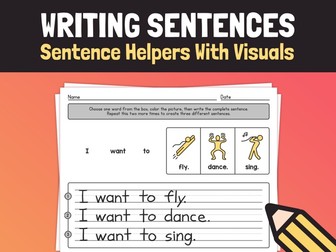
This Sentence Helpers / Writing Sentences worksheet pack uses visual aids to help early writers form complete sentences. On each page of this beginner writing activity, students will choose their own nouns or verbs within a predetermined sentence structure — making this an excellent addition to any kindergarten literacy center or writing unit. It’s especially useful for struggling writers, reluctant writers, ESL / ELL, and special education. This sentence-writing printable includes 18 pages: • (18x) Sentence building worksheets Designed for flexibility — use it for: • Classwork, early finisher activities, and morning work • No prep writing centers and sentence units • Substitute teacher activities Perfect for many classrooms: • Year 1, year 2, and year 3 • Homeschool and distance learning • ECSE, IEP, special education, and struggling students • ELA, ELL, EFL, ELD, and ESL classes No prep required: Just print the PDF and provide some basic supplies.
Present simple tense vs Present continuous tenseQuick View
Monha

Present simple tense vs Present continuous tense

(0)
Notes • This material contains several information for language beginners. The structure (form) When to use (function) Examples in sentences • This material can be used as a visual aid and as a reference for language learning. • This material can be used by language beginners (adults and children). • When using as visual aid, teacher can add verbal explanation and examples to enhance learning experience.
Simple past tense vs Past continuous tenseQuick View
Monha

Simple past tense vs Past continuous tense

(0)
Notes • This material contains several information for language beginners. The structure (form) When to use (function) Examples in sentences. • This material can be used as a visual aid and as a reference for language learning. • This material can be used by language beginners (adults and children). • When using as visual aid, teacher can add verbal explanation and examples to enhance learning experience. There is an additional part with related instruction where the examples can be used as simple recap activity.
Autumn Read and Match Sentences – Early Reading Comprehension ActivityQuick View
MBLearning

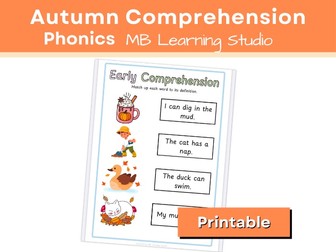
Autumn Read and Match Sentences – Early Reading Comprehension Activity

(0)
Support young readers in developing early comprehension skills with this autumn-themed Read and Match activity! Children read simple sentences and match them to the correct autumn pictures—an engaging way to build vocabulary, sentence structure awareness, and reading confidence through seasonal themes. Perfect for whole-class work, small groups, or literacy centres. Year Groups: UK: EYFS (Reception), Year 1 US: Pre-K, Kindergarten, Grade 1 Curriculum Areas Covered: English / Language Arts Reading comprehension Vocabulary and sentence structure Learning Objectives Addressed: Read and understand simple sentences Use picture cues to aid comprehension Match written information to visual content Develop reading fluency and early decoding strategies Love this resource? Make sure to check out our Autumn themed packs that save you time and money with phonics, reading, and comprehension activities!
“A Squash and a Squeeze” Resource BundleQuick View
cazzaisdabest

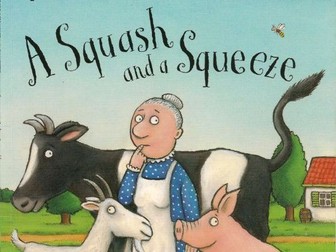
“A Squash and a Squeeze” Resource Bundle

(0)
"A Squash and a Squeeze” Resource Bundle – £5 Created for SEND and EYFS learners who enjoy Julia Donaldson stories This thoughtfully designed resource pack is based on the book A Squash and a Squeeze and offers a variety of accessible, engaging activities tailored for pupils with SEND and those in the early years foundation stage. The bundle includes: Clicker Grid with Sound Effects An interactive version of the story featuring sound effects for each character, designed to boost engagement and support communication needs. Story Comprehension & Writing Worksheets Character Worksheet – Explore what the characters look like and do Story Setting Activities – Identify where the story is set and who might be involved Sentence Building & Writing Support – Pupils can practise retelling the story and sequencing events using simple sentences and visual support Sequencing Activities Two structured story sequencing grids, helping pupils to organise the story in order and understand narrative flow. Symbol-Supported Materials Includes Widgit symbol visuals and symbol-supported sentence strips to support reading, writing and understanding . Visual Aids Folder A dedicated folder of images and pictures from the story — ideal for displays, communication boards, or PECS-style activities. Rhyming Word Activities Fun phonics-based sheets encouraging learners to find rhyming words linked to the text. This bundle supports multiple areas of learning, including literacy, communication, sequencing, and phonological awareness — all wrapped up in a much-loved story. All for just £5
Interactive learning aided by JavaScriptQuick View
AssocLearningTech

Interactive learning aided by JavaScript

(1)
In recent years, the use of information technology to support learning in nutrition education has moved from mainframe-based programs to PC and Internet-based systems. Many lecturers are now exploring the use of the Internet and Intranets for education and this adds a new potential method for providing support to students. Some of these pages contain interactive elements that test whether students have learned the material. This paper is a case study that attempts to show how simple it is to build interactivity for students using JavaScript.
English Legal System Guide and Study AidQuick View
Simonccx

English Legal System Guide and Study Aid

(17)
This Booklet is designed to support staff and students through the topic. It makes an excellent revision guide and can be used to support lessons and promote independent learning. The booklet contains detailed explanations of each aspect of the law, relevant cases and questions to promote learning. Note, the page layout is designed for printing a double sided booklet.
Animal-Themed Early Comprehension – Read and Match Sentences to Pictures (EYFS & KS1 / Pre-KQuick View
MBLearning

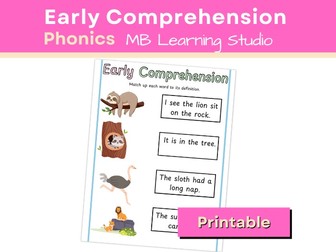
Animal-Themed Early Comprehension – Read and Match Sentences to Pictures (EYFS & KS1 / Pre-K

(0)
Support young readers in developing early comprehension skills with this Animal-Themed Read and Match activity! Children read simple sentences and match them to the correct animal pictures—an engaging way to build vocabulary, sentence structure awareness, and reading confidence through familiar animal themes. Perfect for whole-class work, small groups, or literacy centres. Year Groups: UK: EYFS (Reception), Year 1 US: Pre-K, Kindergarten, Grade 1 Curriculum Areas Covered: English / Language Arts Reading comprehension Vocabulary and sentence structure Learning Objectives Addressed: Read and understand simple sentences Use picture cues to aid comprehension Match written information to visual content Develop reading fluency and early decoding strategies Love this resource? Make sure to check out our Animal themed packs that save you time and money with phonics, reading, and comprehension activities!
ESL Present Simple Posters – Effective Way to Teach Affirmative, Negative, and Question FormsQuick View
misscynthiaps

ESL Present Simple Posters – Effective Way to Teach Affirmative, Negative, and Question Forms

(0)
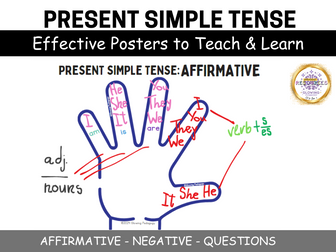
Looking for engaging ESL Present Simple posters to enhance your students’ understanding of Present Simple tense? These colorful, easy-to-understand posters are perfect for ESL teachers looking to introduce or reinforce the Present Simple tense in their classrooms. Ideal for ESL/EFL/ELD learners and English language classrooms, these posters help students grasp how to form affirmative sentences, questions, and negative statements. This ESL teaching resource includes clear visual aids for each form of the Present Simple. Perfect for use as classroom décor, interactive lessons, or even remote learning. Whether you’re teaching Present Simple tense rules, conducting grammar exercises, or focusing on sentence structure, these posters make it easier for students to visualize and apply the grammar concepts. ESL Present Simple Posters – Effective Way to Teach Affirmative, Negative, and Question Forms
Supertato Saves the Day! – Simplified Text Map for Year 1Quick View
jboyd1112

Supertato Saves the Day! – Simplified Text Map for Year 1

(0)
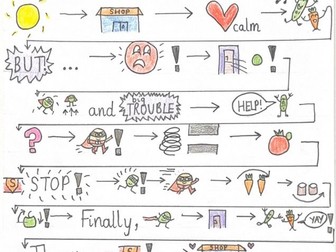
Bring the story of Supertato to life with this vibrant, child-friendly shortened text map, perfect for supporting young writers in retelling the story using visuals. Ideal for EYFS and KS1 classrooms, this resource is a fantastic tool for Talk for Writing, especially for EAL learners or those developing early sentence structure. This hand-drawn story map captures the key events from Supertato in a fun and accessible way, using symbols and simple illustrations to help children internalise the plot and sequence events with ease. What’s Included: A simplified visual retelling of the Supertato story Clearly structured sequence with illustrations and minimal text Perfect for shared reading, modelled writing, or independent story writing Supports storytelling, memory recall, and sentence building Use this as a classroom display, oral rehearsal tool, or as part of a wider Supertato-themed writing unit. Your learners will love becoming storytellers with the help of this engaging and supportive visual aid!
Handa's surprise pack SENQuick View
alejandraescote

Handa's surprise pack SEN

(0)
This pack is designed to support Special Educational Needs (SEN) students in engaging with stories and developing their communication and language skills. It includes the following resources: Communication Board for Story Comments: A visual communication board is included to help students express their thoughts and make comments on the story. It’s an excellent tool for encouraging interaction, especially for non-verbal students or those who need visual support to communicate. Fruit Flashcards (Real-life Pictures and Visual Symbols): This set contains both real-life images of fruits and visual symbols (communication inprint). These can be used for matching activities, helping students develop their recognition skills and reinforcing vocabulary related to fruits. Worksheets for Building 2- and 3-Part Sentences (Colourful Semantics): These worksheets follow the Colourful Semantics approach, guiding students to create simple sentences. Students can start by building 2-part sentences (subject + verb) and progress to more complex 3-part sentences (subject + verb + object), aiding their understanding of sentence structure and language development. This pack is an ideal resource for educators looking to support communication, comprehension, and language development in SEN students, with engaging and interactive materials tailored to their needs. Please note - Story is not included
Alphabet Sentence Scramblers: Unraveling Language Adventure for Young LearnersQuick View
ActiveMindsAcademy

Alphabet Sentence Scramblers: Unraveling Language Adventure for Young Learners

(0)
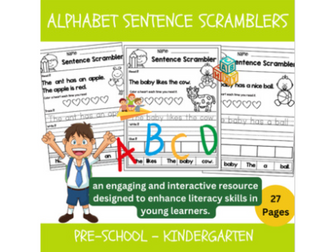
Unlock the magic of language with our “Alphabet Sentence Scramblers” worksheets, an engaging and interactive resource designed to enhance literacy skills in young learners. These carefully crafted worksheets offer an exciting twist to traditional alphabet learning, challenging children to unscramble sentences and foster a deeper understanding of language structure. Key Features: Sentence Unscrambling Fun: Transform alphabet learning into a captivating puzzle-solving experience. Each worksheet presents scrambled sentences, encouraging children to decipher the correct order of letters to reveal meaningful and coherent expressions. Alphabet Integration: Seamlessly combine alphabet recognition with sentence construction. As children unscramble sentences, they reinforce their understanding of individual letters and their roles within words, setting the stage for broader literacy development. Varied Difficulty Levels: Cater to diverse learning abilities with a range of difficulty levels. From simple three-word sentences to more complex constructions, these worksheets provide a progressive challenge that adapts to the developmental stages of young readers. Visual and Conceptual Engagement: Capture the attention of young minds with colorful visuals and conceptually engaging exercises. The incorporation of images related to each sentence not only aids comprehension but also adds an element of fun to the learning process. Encourages Critical Thinking: Promote critical thinking skills as children analyze word order, sentence structure, and context clues. This activity nurtures cognitive development by encouraging problem-solving and logical reasoning. Versatile Learning Tool: Ideal for classrooms, homeschooling, or enrichment activities, these worksheets are versatile and adaptable to various educational settings. Use them as standalone exercises or integrate them into larger lesson plans for a comprehensive language learning experience. Elevate alphabet learning with our “Alphabet Sentence Scramblers” worksheets. Watch as children embrace the challenge of unraveling sentences, creating a bridge between individual letters and the exciting world of language. This resource goes beyond the basics, instilling a sense of linguistic discovery and laying a foundation for confident and competent readers.
Literacy: Read and Question AnswerQuick View
dp2912

Literacy: Read and Question Answer

(0)
Simple, easy read and question answering exercise. Designed for KS1. Fun story, with visual aid for added emphasis and understanding. Helpful for reading and analytical skills. Also improves writing and sentence structure.
EAL - A Christmas Carol - vocabulary bankQuick View
EALwell

EAL - A Christmas Carol - vocabulary bank

(0)
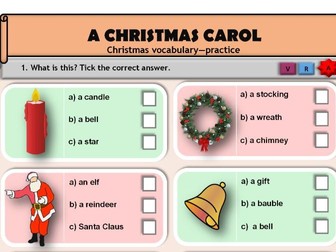
A Christmas Carol is a visual vocabulary bank for EAL students level A (New to English). It provides students with a picture dictionary of words associated with Christmas and practice opportunities to aid students’ understanding and put the novella into context. Having learnt and practised the keywords, students are introduced to grammar and sentence structure needed to write simple sentences describing rooms (link to Stave Three).
Word Type Display Poster Pack – 9 Posters (KS1/KS2 English Grammar)Quick View
explore_education

Word Type Display Poster Pack – 9 Posters (KS1/KS2 English Grammar)

(0)
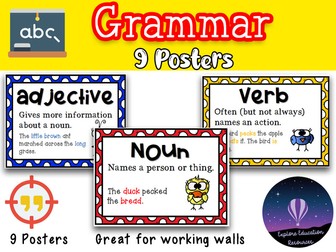
This Word Type Display Poster Pack provides nine colourful posters to support grammar teaching across KS1 and KS2. Designed to help pupils understand and remember the key word types, each poster includes a clear definition, an example sentence, and engaging visuals to aid learning and retention. What’s Included: ✔ 9 display posters covering the following word types: noun, common noun, proper noun, pronoun, conjunction, prefix, suffix, verb, and adjective. ✔ Clear definitions for each word type. ✔ Example sentences showing the word type used in context. ✔ Eye-catching graphics and illustrations linked to each word type. Lesson Overview / Structure: ★ Introduction to Word Types: Use the posters to introduce each word type with a simple definition and a modelled example. ★ Grammar Reference Tool: Posters can be displayed around the classroom for pupils to refer to during independent writing tasks. ★ Revision and Reinforcement: Ideal for revisiting grammar concepts during SPaG lessons, interventions, or English starters. Why It’s Useful: ✔ Supports grammar teaching and pupil understanding of word classes. ✔ Visual learning aid to reinforce key grammar concepts. ✔ Flexible for classroom display, intervention support, or revision activities. ✔ Suitable for a wide age range from Year 3 to Year 6. Suggested Use Cases: Perfect for SPaG lessons across KS1 and KS2, grammar displays, revision sessions, and literacy support areas. Search Tags: KS2 grammar posters | Word types classroom display | SPaG resources KS2 | KS1 English grammar | Word classes posters | Year 3 4 5 6 English | Outstanding SPaG resources
Studio 1 - Module 3 - Mon ordi et mon portableQuick View
ftbnemesis

Studio 1 - Module 3 - Mon ordi et mon portable

(0)
Les ordinateurs et les portables – Talking about technology use This printable worksheet is designed to help learners of French practise vocabulary and sentence structures related to using computers and mobile phones, focusing on activities such as texting, playing games and surfing the internet. The resource is also available as a PowerPoint presentation for classroom or interactive use. Key features: Simple explanation of how to use Qu’est-ce que tu fais… ? with everyday technology vocabulary Clear French–English vocabulary list to support understanding Six varied activities to reinforce learning, including matching, sentence completion, and translation Use of emojis to aid comprehension and visual recall Full answer key provided for easy marking or self-assessment
Viva 1 - Module 4 - ¿De qué color tienes los ojos?Quick View
ftbnemesis

Viva 1 - Module 4 - ¿De qué color tienes los ojos?

(0)
Spanish: Describing Eyes and Hair This printable worksheet is designed to help learners of Spanish practise describing eye and hair colour, as well as using basic structures with tener, llevar and ser. It includes essential vocabulary, simple sentence building, and recognition tasks using visuals and emojis to support understanding. The worksheet is also available as a PowerPoint presentation for classroom display or interactive use. Key features: Clear introduction to using tener, ser, and llevar to describe hair, eyes, and appearance Vocabulary list in Spanish and English to support learners throughout Six varied activities including matching, gap-fill, translation, and sentence creation Visual support using emojis to aid recognition and recall Full answer key provided for quick marking or independent checking Also available as a PowerPoint for teaching or revision use
Describing Eyes and HairQuick View
ftbnemesis

Describing Eyes and Hair

(0)
Spanish: Describing Eyes and Hair This printable worksheet is designed to help learners of Spanish practise describing eye and hair colour, as well as using basic structures with tener, llevar and ser. It includes essential vocabulary, simple sentence building, and recognition tasks using visuals and emojis to support understanding. The worksheet is also available as a PowerPoint presentation for classroom display or interactive use. Key features: Clear introduction to using tener, ser, and llevar to describe hair, eyes, and appearance Vocabulary list in Spanish and English to support learners throughout Six varied activities including matching, gap-fill, translation, and sentence creation Visual support using emojis to aid recognition and recall Full answer key provided for quick marking or independent checking Also available as a PowerPoint for teaching or revision use
Studio 2 (Vert) - Module 2 - Le 14 juillet à Paris - Grammar - Negative (ne...pas...) in the PerfectQuick View
ftbnemesis

Studio 2 (Vert) - Module 2 - Le 14 juillet à Paris - Grammar - Negative (ne...pas...) in the Perfect

(0)
Negative Sentences in the Perfect Tense with avoir This printable worksheet is designed to help learners of French practise using ne…pas to form negative sentences in the perfect tense with avoir. The resource supports learners in understanding and applying this key grammar structure through simple explanations and engaging activities. The worksheet is also available as a PowerPoint presentation for interactive classroom use. Key features: Clear, age-appropriate explanation of how to make the perfect tense negative using ne…pas around avoir Six varied activities to consolidate learning, including gap-fill, matching, sentence rewriting, and creative writing Visual support using emojis to aid understanding and engagement Full answer key included for easy marking or self-assessment